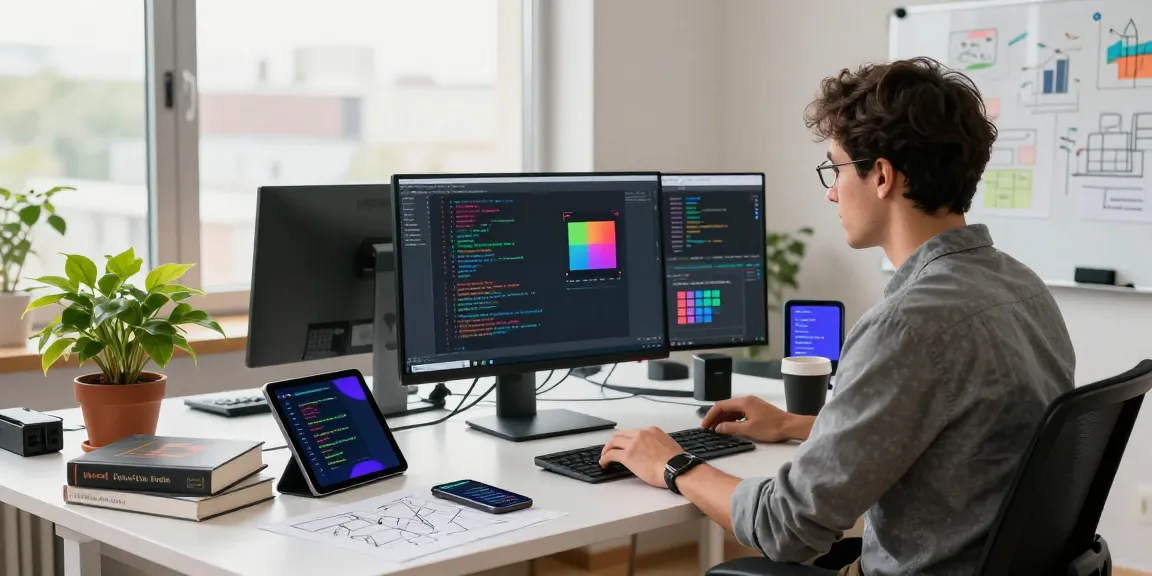
Understanding the 64x64 Pixel Display Technology
The 64x64 pixel display technology represents a fascinating intersection of visual clarity, compact design, and versatile applications. As we navigate through the digital age, the significance of display technology continues to evolve, with pixel density and resolution becoming paramount in various industries. Whether it's for artistic expression, smart home devices, or interactive gaming, the 64x64 pixel display offers unique benefits that cater to a variety of needs. When exploring options, 64x64 pixel display provides comprehensive insights into this technology.
What is a 64x64 Pixel Display?
A 64x64 pixel display is essentially a matrix of 64 pixels horizontally and 64 pixels vertically, totaling 4,096 pixels. This compact yet powerful display type enables the representation of images, graphics, and animations with a visual clarity that is quite remarkable for its size. Each pixel can emit varying colors, allowing for a rich display of graphics that can be utilized in numerous applications, from art installations to personal devices.
Key Features and Specifications
Key specifications of 64x64 pixel displays include:
- Resolution: 64x64 pixels, providing 4,096 total pixels.
- Brightness: High luminance levels suitable for various environments.
- Color Depth: Typically supports 256 or more colors for vivid displays.
- Dimensions: Compact form factor that fits easily into small devices.
- Refresh Rate: Capable of high refresh rates for smooth animations and transitions.
Applications in Modern Technology
64x64 pixel displays are versatile and can be found in multiple applications, such as:
- Consumer Electronics: Used in smartwatches, personal assistants, and portable gaming devices.
- Art Projects: Popular among digital artists for creating interactive displays and installations.
- Smart Home Devices: Implemented in home automation systems for notifications and status updates.
- Gaming: Used in arcade-style gaming machines and handheld consoles.
Benefits of Using a 64x64 Pixel Display
Enhanced Visual Clarity and Detail
The 64x64 resolution allows for sharp images and videos, making it suitable for applications where detail is necessary. The pixel density provides a quality display without the need for larger screens, which is particularly advantageous in portable devices.
Energy Efficiency Considerations
Unlike larger displays that consume significant amounts of power, 64x64 pixel displays are designed for energy efficiency, making them ideal for battery-operated devices. These displays often utilize LED technology, providing bright visuals while optimizing power consumption.
Cost-Effectiveness for Consumers
Due to the lower manufacturing costs associated with smaller displays, producers can offer 64x64 pixel displays at a reduced price compared to more complex and larger counterparts. This cost-effectiveness not only benefits manufacturers but also ultimately reflects in the pricing of consumer devices.
Challenges in 64x64 Pixel Display Implementation
Technical Limitations and Solutions
Despite their advantages, 64x64 pixel displays face technical challenges such as limited resolution in comparison to higher pixel counts. Advances in technology are continuously addressing these limitations, enabling better image processing and display fidelity.
Market Competition and Pricing Trends
The competitive landscape for display technology is rapidly changing. Companies are innovating to provide better features at lower prices, increasing the difficulty of standing out in the market. As more manufacturers enter the 64x64 display space, understanding pricing trends becomes crucial for both consumers and businesses.
Consumer Misconceptions and Education
Many consumers associate lower resolution with poor quality. Thus, educating users about benefits and capabilities of 64x64 pixel displays is essential. Demonstrating practical applications and their advantages can alleviate these misconceptions and enhance market acceptance.
Best Practices for Developers and Designers
Designing for Optimal User Experience
When developing applications for 64x64 pixel displays, it’s essential to consider user experience. Designs should be simplified to improve clarity, utilizing bold colors and high-contrast elements to maximize visual impact.
Integrating with Existing Technology
Developers should ensure compatibility with existing systems. This involves designing interfaces that can seamlessly leverage the pixel display's capabilities while not hindering the performance of the overall device.
Future-Proofing Your Display Projects
As technology evolves, future-proofing designs is vital. This may involve selecting components that can be updated or upgraded with new technologies to avoid obsolescence.
The Future of 64x64 Pixel Displays in 2026
Emerging Trends and Innovations
Looking forward to 2026, several trends are anticipated to shape the landscape of 64x64 pixel displays. advancements in micro-LED technology, for instance, promise to deliver even greater efficiency and color accuracy.
Potential Industry Disruptions
Emerging technologies such as flexible displays and augmented reality may disrupt traditional market expectations. As these technologies integrate with compact displays, new applications could redefine user experiences.
Expert Predictions and Insights
Industry experts predict that the demand for compact, high-quality displays will grow, particularly in gaming and IoT devices. Expect to see innovations tailored to enhance interactivity and personalization in user interfaces.
What are the main advantages of the 64x64 pixel display?
The key advantages include energy efficiency, compact size, cost-effectiveness, and enhanced visual clarity. These features make the 64x64 pixel display an attractive choice for a variety of tech applications.
How does a 64x64 pixel display differ from other resolutions?
Compared to higher resolutions, a 64x64 pixel display offers lower pixel density, which can affect clarity. However, its compact footprint and cost advantages often outweigh these factors in specific applications.
What industries benefit most from 64x64 pixel displays?
Industries such as consumer electronics, gaming, and digital art benefit significantly from 64x64 pixel displays due to their versatility and low power consumption.
Are there any compatibility issues with 64x64 pixel displays?
While most modern devices can accommodate 64x64 pixel displays, developers must ensure that their applications and interfaces are tailored to this specific resolution to avoid compatibility issues.
What is the future outlook for 64x64 pixel displays?
The future appears bright for 64x64 pixel displays, with continued innovations expected. As technology progresses, these displays will likely find new applications and maintain relevance in a rapidly evolving digital landscape.