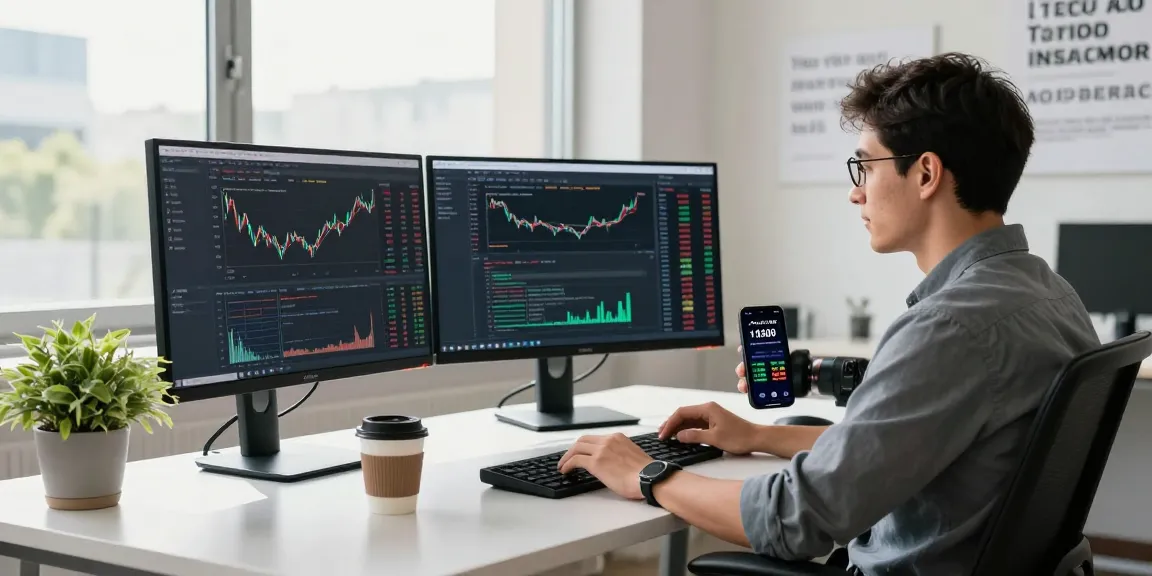
Understanding the US Stock WebSocket API
The advent of technology has drastically transformed the landscape of stock trading, especially for developers and traders who rely on accurate data. The US stock WebSocket API offers a solution for accessing real-time global market data with remarkable efficiency. This article aims to delve deep into the workings of the US Stock WebSocket API, exploring its features, use cases, and benefits, ultimately empowering you to harness this tool for your trading and research needs.
What is a WebSocket API?
A WebSocket API is a protocol for full-duplex communication channels over a single TCP connection. This means data can flow freely in both directions simultaneously, making it particularly useful for real-time applications such as stock trading. Unlike traditional HTTP requests, which require a new connection for each request-response cycle, a WebSocket connection remains open, allowing for the continuous exchange of data. This is crucial for traders needing instant updates on market fluctuations.
Key Features of the US Stock WebSocket API
The US Stock WebSocket API boasts an array of features designed to cater to the needs of traders and developers:
- Real-Time Data Feeds: Access live market data from over 50 exchanges, ensuring you have up-to-date information at your fingertips.
- Historical Data Access: Retrieve historical stock data essential for backtesting trading strategies and conducting market analysis.
- Depth of Market Information: Gain insights into the order book and market depth, which can significantly inform trading decisions.
- Scalability: Designed to handle high volumes of data, making it ideal for quantitative trading and institutional research.
Common Use Cases for Developers and Traders
The versatility of the US Stock WebSocket API allows it to be used across various applications:
- Automated Trading Systems: Integrate the API into algorithms for executing trades based on real-time market signals.
- Portfolio Management Tools: Use the API to build applications that help investors track their portfolios and receive alerts based on market conditions.
- Market Analysis Platforms: Enhance research tools by providing users with immediate access to both current and historical market data.
Benefits of Real-Time Stock Data
Utilizing real-time stock data can yield significant advantages for traders and researchers alike. The immediacy of information not only aids in making informed decisions but also enhances overall strategy development.
Advantages for Quantitative Trading
In quantitative trading, the speed of executing trades can mean the difference between profit and loss. Real-time data enables traders to respond immediately to market changes, allowing for high-frequency trading strategies that capitalize on small price movements.
Improving Decision-Making with Historical Data
Access to historical data through the US Stock WebSocket API helps traders backtest their strategies, evaluate their effectiveness over time, and make adjustments as necessary. This historical context is vital in understanding market trends and patterns, empowering traders to make data-driven decisions.
Enhancing Research Capabilities for Institutions
For research institutions, the ability to analyze past performance alongside current market conditions is invaluable. The depth of data provided by the API allows researchers to conduct comprehensive studies, potentially leading to groundbreaking insights in financial markets.
Integrating the US Stock WebSocket API into Your Applications
Integrating a WebSocket API into an application can seem daunting, but it can significantly enhance functionality and user experience. Below is a step-by-step guide to facilitate this process.
Step-by-Step Integration Guide
- Set Up Your Environment: Ensure you have the necessary programming environment and dependencies installed for your chosen language (e.g., Python, JavaScript).
- Create an API Key: Sign up for an account and generate an API key from the iTick dashboard to authenticate your requests.
- Connect to the WebSocket: Use the provided endpoint to establish a connection. This involves setting up a listener for incoming data using your preferred WebSocket library.
- Subscribe to Data Channels: Select the specific data feeds you wish to receive (e.g., stock quotes, market depth) to tailor the information sent to your application.
- Handle Incoming Data: Create functions to process and display the real-time data as it arrives, ensuring your application remains responsive.
Best Practices for API Usage
To optimize your use of the US Stock WebSocket API, consider the following best practices:
- Data Filtering: Limit the data you subscribe to by filtering based on specific stocks, exchanges, or data types to reduce overhead.
- Error Handling: Implement robust error handling to manage connection issues and ensure your application can recover gracefully.
- Rate Limiting: Be mindful of rate limits to avoid service disruptions and ensure compliance with the iTick API usage policies.
Real-World Examples of Successful Integrations
Many firms have successfully integrated the US Stock WebSocket API into their systems:
- Trading Platforms: Firms like QuantConnect utilize the API to enable algorithmic trading strategies that require rapid data access.
- Financial News Apps: News applications that provide real-time stock updates leverage the API to inform users about market changes instantly.
Troubleshooting Common Issues with WebSocket APIs
While WebSocket APIs are powerful tools, they can also present challenges. Here are some common issues and troubleshooting tips:
Identifying Connection Problems
Connection issues can arise from network instability or server-side problems. It’s essential to implement reconnection logic to handle temporary disruptions effectively.
Handling Data Discrepancies
Data discrepancies can occur when there is latency or during high-volume trading periods. Implementing validation checks and comparing data against other sources can mitigate this issue.
Performance Optimization Techniques
To ensure optimal performance, monitor the loading speed and responsiveness of your application. Techniques such as data caching and request batching can help reduce load times and improve user experience.
Future Trends in Stock Market APIs for 2026 and Beyond
The landscape of stock trading APIs is evolving rapidly. Keeping an eye on emerging trends will help you stay ahead of the curve.
Emerging Technologies and Innovations
Technological advancements such as blockchain and augmented reality may shape how data is visualized and utilized in trading, providing innovative ways to engage with market information.
The Role of AI in Market Data Analysis
Artificial intelligence is becoming increasingly pivotal in analyzing market data, enabling predictive analytics that can inform trading strategies. As AI continues to evolve, its integration with APIs will likely enhance user capabilities significantly.
Predicted Changes in Trading Platforms
With advancements in technology, trading platforms are expected to become more intuitive, offering personalized user experiences. This trend could lead to increased automation and seamless integration of various data sources for traders.
What is the US stock WebSocket API?
The US stock WebSocket API is a tool that provides developers and traders real-time access to stock market data, enabling them to make informed trading decisions efficiently.
How can I optimize my API usage?
Optimizing API usage involves implementing best practices such as data filtering, error handling, and monitoring rate limits to enhance application performance.
What are common integration challenges?
Common challenges include establishing stable connections, handling data discrepancies, and ensuring efficient processing of incoming data streams.
How does real-time data affect trading strategies?
Real-time data is essential for developing high-frequency trading strategies, allowing traders to respond swiftly to market movements and capitalize on fleeting opportunities.
What trends should I expect in the next few years?
Expect increased integration of AI in trading, enhanced real-time data visualization, and innovations that will reshape trading platforms and the overall trading experience.