Understanding the Concept of Perceived Age
Perceived age is a fascinating intersection of psychology, biology, and cultural influences that shapes how we view ourselves and how others view us. The question, how old do I look, is not just a matter of curiosity; it is deeply rooted in our social interactions and self-esteem. Understanding what perceived age means can help individuals navigate their self-image, health, and interactions with society. This article explores the nuances of perceived age, the science behind it, and the role technology plays in this realm.
What Does it Mean to Perceive Age?
Perceived age refers to an individual's appearance relative to their actual chronological age. Various factors contribute to this perception, including skin quality, facial features, and lifestyle choices. Interestingly, perceived age can significantly differ from chronological age. For instance, a 30-year-old who maintains a healthy lifestyle might appear younger than their actual age, while a peer with less favorable habits may appear older. This perception often impacts social dynamics, influencing opportunities in both personal and professional settings.
The Science Behind Age Perception
Research indicates that humans are surprisingly adept at estimating age based on facial features. A study published in the Journal of Experimental Psychology found that observers can accurately gauge age through facial recognition, even with minimal exposure to a person's image. The features that most significantly contribute to this perception include wrinkles, skin texture, and overall facial symmetry. Additionally, cultural factors play a significant role in how age is perceived, as different societies have varying standards of beauty and aging.
Common Misconceptions about Aging
A prevalent misconception is that aging is solely a biological process. While biological factors undoubtedly affect age perception, cultural narratives and personal experiences also shape our understanding of aging. For example, many believe that aging equates to a decline in vitality and attractiveness, which is not necessarily true. Aging can also bring wisdom, confidence, and a deeper appreciation for life that enhances one's perceived age positively.
How Technology Influences Age Assessment
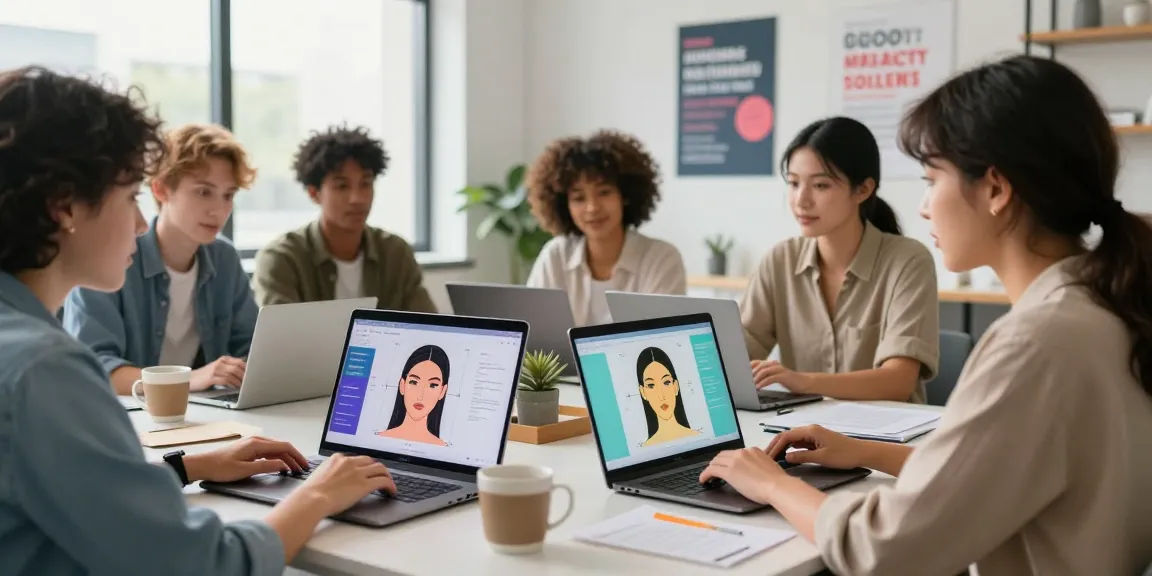
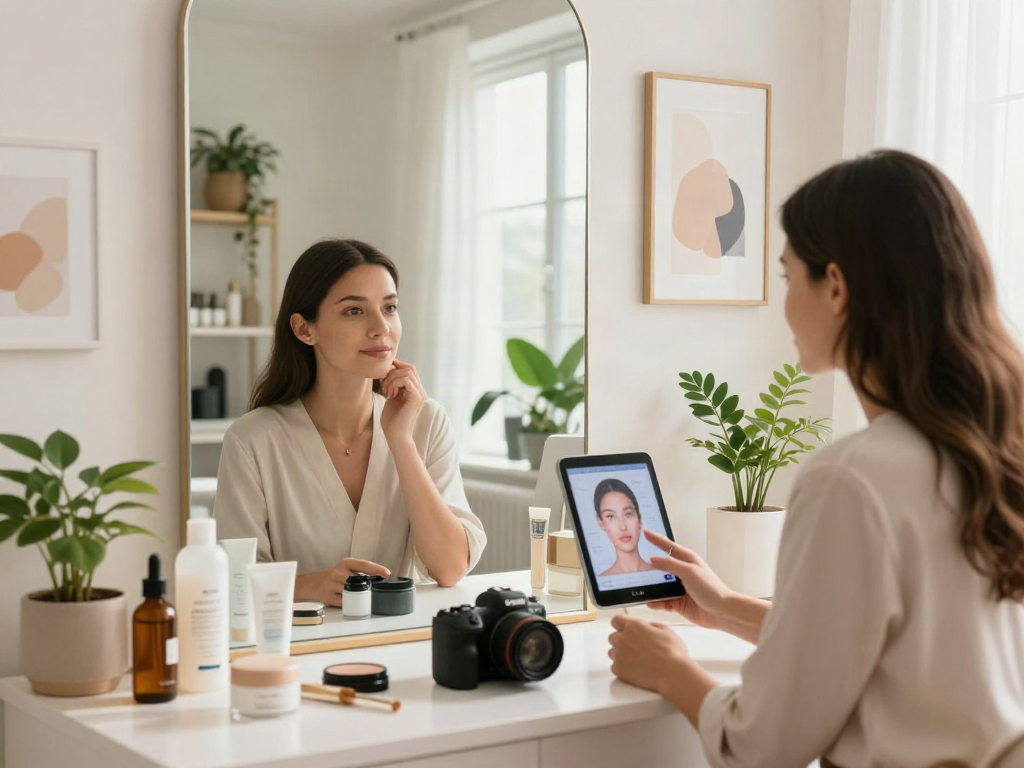
Advancements in technology have revolutionized how we assess perceived age. Numerous platforms now allow users to explore how old do I look through AI algorithms that analyze facial features. These tools can provide a fun and engaging way to reflect on one's age while also addressing broader themes of self-image and societal standards.
The Role of AI in Facial Analysis
Artificial Intelligence (AI) has emerged as a leading tool in age estimation. These technologies analyze various facial attributes to provide insights into perceived age. They assess skin texture, facial hair, and other features that contribute to how old someone appears. AI's precision continues to improve, thanks to machine learning techniques that allow it to draw from vast datasets of images to make more accurate predictions.
Comparing Traditional vs. Digital Age Estimation
Traditionally, age assessment would involve expert evaluations, often subjective and based on personal experience. In contrast, digital age estimation offers a more standardized approach, leveraging data and algorithms. While both methods have their merits, digital tools can provide immediate results, making them increasingly popular. However, it is essential to remember that these tools can have limitations and may not always reflect individual uniqueness.
Privacy Concerns with Sharing Images Online
As individuals explore ways to determine how old they look online, privacy concerns arise regarding the sharing of personal images. Users must navigate the balance between curiosity and caution. Many platforms claim high security measures to protect user data, yet instances of breaches still occur. It is crucial for users to read privacy policies and understand how their data will be used before uploading images.
Practical Tools for Determining How Old You Look
With a plethora of online tools and applications available, determining how old you look has never been easier. These platforms leverage AI to deliver results quickly and efficiently. However, knowing which tools provide the best insights is vital for a meaningful experience.
Top Online Age Estimator Platforms
- FaceAge.ai: This platform allows users to upload their photos for an instant age analysis using AI technology. It's user-friendly and provides fast results.
- Fotor: Known for its aesthetic features, Fotor also offers an age estimation tool that analyzes various aspects of your face.
- BeautyPlus: This app not only can estimate age but also offers features to enhance your photos, making it popular for users who enjoy social media.
Mobile Apps for Instant Age Analysis
Mobile applications have made age estimation accessible anytime, anywhere. Users can find several age estimation apps on app stores, labeled with features like photo upload and instant results. Some popular options include:
- Face Age Calculator: This app lets you upload images for immediate analysis while maintaining user privacy.
- Age Recognition App: Available on Google Play, this app offers a straightforward interface for estimating age through facial analysis.
Features to Look for in Age Guessing Tools
When choosing an age estimation tool, consider these key features:
- Accuracy: Look for tools with positive user reviews regarding their accuracy.
- User Privacy: Ensure the platform has robust privacy policies to protect your uploaded images.
- User-Friendly Interface: A smooth, intuitive interface enhances the experience of using the tool.
Improving Your Self-Image Through Age Perception
The journey of discovering how old you appear can profoundly impact your self-image and self-confidence. When individuals receive feedback about their perceived age, it can either uplift their spirits or lead to negative feelings, depending on the outcome.
How Age Assessment Can Affect Self-Confidence
Understanding how others perceive your age can lead to significant changes in self-esteem. Positive feedback can enhance self-image, while negative insights can be disheartening. It's vital to approach age assessment with a healthy mindset, recognizing that beauty is subjective and deeply intertwined with personal values and cultural standards.
Tips for Enhancing Your Appearance
Regardless of perceived age, there are various ways to enhance one's appearance:
- Skincare Regimen: Implementing a daily skincare routine with sun protection can help maintain skin elasticity and prevent premature aging.
- Healthy Lifestyle Choices: Maintaining a balanced diet and engaging in regular physical activity can contribute to better health, impacting your perceived age positively.
- Style and Grooming: Dressing well and embracing personal style can boost confidence and improve how you feel about your appearance.
Building a Positive Self-Perception
Cultivating a positive self-perception involves more than just external appearance. Engaging in activities that promote self-acceptance and focusing on strengths rather than weaknesses can reinforce a healthy self-view. Seeking support from friends and community can also foster a sense of belonging and enhance self-esteem.
Future Trends in Age Estimation Technology
As we look towards 2026 and beyond, the evolution of age estimation technology promises to deepen our understanding of perceived age and its implications. Innovations in AI and machine learning are expected to refine accuracy and user experience further.
The Evolution of AI in Beauty and Age Assessment
The integration of AI into beauty and age assessment is set to expand significantly. Future algorithms may analyze not only facial features but also lifestyle choices and environmental factors to provide a more comprehensive understanding of aging.
Predictions for 2026: What’s Next?
As technology advances, predictions for 2026 suggest the emergence of even more sophisticated age assessment tools, integrating virtual reality and augmented reality. This will allow users to visualize their aging process in real-time, offering insights into potential future appearances while promoting a healthy outlook on aging.
Emerging Technologies Shaping Self-Perception
Innovations such as advanced imaging technologies and personalized health tracking apps will play a significant role in shaping individual self-perceptions. With increasing awareness of mental health and self-image, expect these technologies to emphasize holistic approaches that encompass both physical and emotional well-being.
What are the Benefits of Accurate Age Prediction?
Accurate age prediction tools can help individuals make informed decisions regarding skincare and lifestyle choices. Understanding perceived age can empower users to take proactive steps to enhance their appearance and well-being, fostering a more positive self-image.
How Will Society's Perception of Age Change?
As technology continues to influence our lives, societal perceptions of age will likely evolve. The growing emphasis on wellness and vitality may lead to a shift in how age is perceived, with more focus on inner health rather than solely on external appearance. This transformation could redefine beauty standards and promote a more age-inclusive society.