Understanding Ceiling Speakers: The Basics
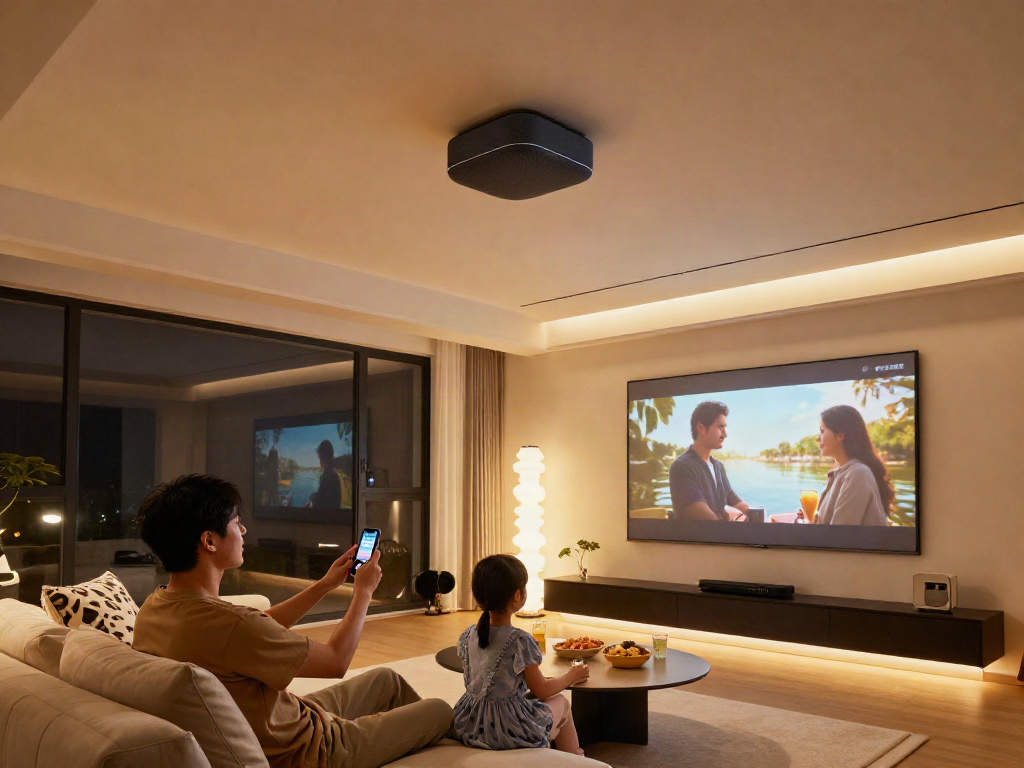
Ceiling speakers have revolutionized the way we experience sound in our homes, seamlessly blending audio performance with aesthetic appeal. These versatile audio solutions are designed to be installed flush with your ceiling, providing an unobtrusive alternative to traditional speakers. Whether you’re hosting a movie night or enjoying your favorite music, understanding the intricacies of ceiling speakers is essential for maximizing your audio experience. When exploring options, اسپیکر سقفی offers comprehensive insights into the various choices available.
What Are Ceiling Speakers and How Do They Work?
Ceiling speakers are designed for in-ceiling installation, allowing them to effectively fill a room with sound while remaining out of sight. They work by utilizing a driver – or a speaker cone – mounted within an enclosure that is placed in the ceiling. The sound is projected downward and disperses evenly throughout the space. Most modern ceiling speakers are equipped with a coaxial design, which incorporates both the woofer and tweeter within a single unit, providing a full-range sound experience.
Types of Ceiling Speakers Available
There are various types of ceiling speakers, each catering to different audio needs and preferences. The primary categories include:
- Passive Ceiling Speakers: These require an external amplifier for power and are often chosen for more advanced audio setups.
- Active Ceiling Speakers: Featuring built-in amplifiers, these speakers are easier to install and are often favored for home theater systems.
- Multi-Room Audio Speakers: Designed for use in distributed audio systems, they allow music to be played in multiple rooms simultaneously.
- Weather-Resistant Ceiling Speakers: Ideal for installation in outdoor areas, these speakers are built to withstand the elements.
Benefits of Using Ceiling Speakers in Your Home
Ceiling speakers offer numerous advantages that enhance your audio experience while saving space:
- Space-Saving Design: Their flush mount allows for a clutter-free environment.
- Wide Sound Dispersion: Ceiling speakers can distribute sound evenly across a room, creating a more immersive experience.
- Aesthetic Appeal: Invisible installations improve the overall design of your interiors.
- Versatility: Suitable for various audio needs, including home theaters, music systems, and multi-room audio setups.
Installation Insights: Maximizing Your Ceiling Speaker Experience
Proper installation is crucial for achieving optimal sound performance from your ceiling speakers. Whether you choose a DIY approach or opt for professional assistance, understanding the nuances involved will lead to a successful setup.
DIY Installation vs. Professional Help: Pros and Cons
Installing ceiling speakers can be a rewarding project, but it comes with its own set of challenges. DIY installation allows for personalization and can save you money, but it requires knowledge of electrical systems and experience with tools. On the other hand, professional installation ensures that the speakers are correctly mounted and calibrated, offering peace of mind and potentially better sound quality.
Best Practices for Speaker Placement
The placement of your ceiling speakers is key to achieving the best sound experience. Here are some guidelines to follow:
- Install speakers at least 2-3 feet away from walls to enhance sound dispersion.
- Place speakers equidistant from the listening area for balanced audio.
- Aim for a height of about 7-8 feet from the floor for optimal sound performance.
Wiring Considerations for Optimal Sound Quality
Wiring plays a critical role in the performance of ceiling speakers. Using high-quality speaker wire that minimizes resistance is essential. Consider running wires through walls or ceilings to keep them hidden and maintain a clean appearance. Additionally, ensure that connections are secure and properly insulated to prevent shorts or interference.
Enhancing Home Audio with Innovative Technology
As technology evolves, so do ceiling speakers. The integration of smart home features has become a game changer for audio enthusiasts. Understanding the latest innovations can greatly enhance your home audio experience.
Smart Home Integration: Control Your Speakers Remotely
Many ceiling speakers now offer compatibility with smart home systems, allowing you to control your audio environment from your smartphone or voice assistant. Features such as wireless streaming and remote volume control provide a level of convenience that enhances the overall listening experience.
Sound Quality: What to Look for in a Ceiling Speaker
When evaluating ceiling speakers, consider the following factors to ensure you’re choosing the right model:
- Frequency Response: Look for speakers with a wide frequency range to capture all nuances of sound.
- Power Handling: Ensure the speakers can handle the output of your amplifier without distortion.
- Impedance: Most home audio systems use speakers with either 4, 6, or 8-ohm impedance, which should match your receiver for optimal performance.
Future Trends in Ceiling Speaker Technology for 2026
The future of ceiling speaker technology is bright, with trends pointing towards enhanced sound quality and smarter integration. Expect to see advancements in wireless technology, improved sound algorithms, and increased compatibility with virtual reality and immersive audio systems by 2026. Moreover, the rise of direct-to-consumer brands is promising more competitive pricing and innovative designs.
Common Misconceptions About Ceiling Speakers
Despite their popularity, ceiling speakers are often surrounded by misconceptions that can deter potential buyers. Understanding the facts can help you make an informed decision.
Do Ceiling Speakers Compromise Sound Quality?
A common myth is that ceiling speakers cannot deliver high-quality sound compared to traditional speakers. In reality, advancements in technology have allowed many ceiling speakers to produce exceptional audio, rivaling that of floor-standing or bookshelf models when installed properly.
Are they Suitable for All Room Sizes?
While ceiling speakers can be used effectively in various room sizes, it is essential to choose the right type and number of speakers based on the room's dimensions. A larger room may require more speakers or a combination of in-ceiling and traditional audio solutions for optimal sound distribution.
Can They Be Used for Different Audio Needs?
Indeed, ceiling speakers are versatile and can be adapted for various audio applications, including home theaters, music streaming, and more. With the right setup, they can provide immersive sound for any environment.
Real-Life Applications and Success Stories
To fully appreciate the value of ceiling speakers, examining real-life applications and success stories is enlightening. These examples showcase the transformative effects that well-installed ceiling speakers can have on audio experiences.
Case Studies: Transforming Spaces with Ceiling Speakers
Consider a recent case where a home theater was upgraded with ceiling speakers. By strategically placing the speakers around the room, the homeowners achieved an immersive audio experience that enhanced their movie nights. This setup allowed sound to envelop the audience, making every viewing memorable.
User Testimonials: Real-world Experiences
User experiences reveal the satisfaction that comes with choosing ceiling speakers. Many homeowners report improved sound clarity and aesthetics, noting that their living spaces feel more open and inviting without bulky speakers cluttering the floor.
Tips from Experts: Maximizing Your Setup
Audio experts recommend a few key steps to maximize your ceiling speaker setup:
- Utilize audio calibration tools to ensure the speakers are correctly tuned to your space.
- Experiment with placement to find the optimal position that works for your room layout.
- Regularly update your audio receiver to ensure compatibility with the latest technologies.
What are the advantages of ceiling speakers?
Ceiling speakers provide immersive sound, save space, and enhance the aesthetic of your home while supporting various audio needs.
Can I install ceiling speakers myself?
Yes, but it's essential to have a basic understanding of electrical systems and proper tools. If unsure, consider hiring a professional.
What is the average cost of ceiling speakers?
The price of ceiling speakers can vary widely, with average costs ranging from $100 to $500 per speaker, depending on brand and features.
Are ceiling speakers suitable for outdoor use?
Yes, but ensure you choose weather-resistant models specifically designed for outdoor use to withstand environmental conditions.
How do I maintain my ceiling speakers?
Regularly check connections and clean the speaker grilles to maintain optimal performance. Additionally, ensure that any exposed wiring is appropriately insulated.