
Understanding the Role of Mechanical Engineering in Complex Projects
Mechanical engineering is a critical field that plays a pivotal role in the successful execution of complex infrastructure projects, particularly in high-stakes environments such as healthcare and data centers. By combining advanced technical knowledge with practical application, mechanical engineers ensure that essential systems function reliably and efficiently. The emphasis on quality, safety, and compliance with regulations is paramount, particularly in sectors where downtime can have severe consequences. In this context, David Vepraskas Atlanta exemplifies the leadership and expertise necessary to navigate the intricacies of these demanding environments.
What Makes Mechanical Engineering Critical in Healthcare?
Healthcare facilities are often defined by their reliance on intricate mechanical systems, including HVAC, plumbing, and medical gas pipelines. The stakes are high; any failure or inefficiency in these systems could impact patient care. Mechanical engineers ensure that these systems are designed and maintained to the highest standards, balancing cost, functionality, and safety. They are responsible for verifying that all systems comply with stringent healthcare regulations and codes, ensuring that hospitals and clinics can provide reliable care.
Exploring the Impact on Data Centers and Industrial Settings
Data centers require meticulous planning and engineering to manage significant loads and environmental controls. Mechanical engineers focus on energy efficiency, cooling systems, and structural integrity to optimize data center performance. In industrial settings, engineering solutions enable the seamless operation of machinery and processes, often necessitating robust and redundant systems to minimize risks. The contribution of mechanical engineers in these projects is indispensable, ensuring operational continuity and minimizing costs.
Key Challenges Faced in Mission-Critical Environments
One of the most pressing challenges faced in mission-critical environments is the unpredictability of system failures. Mechanical engineers must be prepared for rapid problem-solving and crisis management, which requires a deep understanding of the systems and processes in place. Additionally, as systems become more complex, integrating new technologies while maintaining existing infrastructure presents logistical hurdles. Engineers must stay abreast of technological advancements while also addressing regulatory changes that may impact project scope and execution.
Profile of David Vepraskas and His Leadership at Batchelor & Kimball, Inc
David Vepraskas has become a prominent figure within the mechanical engineering sector through his unwavering commitment to excellence at Batchelor & Kimball, Inc. His approach to leadership is characterized by a focus on innovation, strategic foresight, and a deep investment in team development, which has been essential in delivering projects that meet the highest standards.
David Vepraskas’ Career Journey and Contributions
With over four decades of experience in the industry, David Vepraskas has cultivated a reputation as a thought leader in mechanical engineering and project management. His journey began with a foundation in mechanical principles, gradually expanding to encompass a broad spectrum of engineering disciplines. Through his career, he has spearheaded numerous high-profile projects that have set benchmarks in quality and reliability.
Innovative Approaches in Project Management
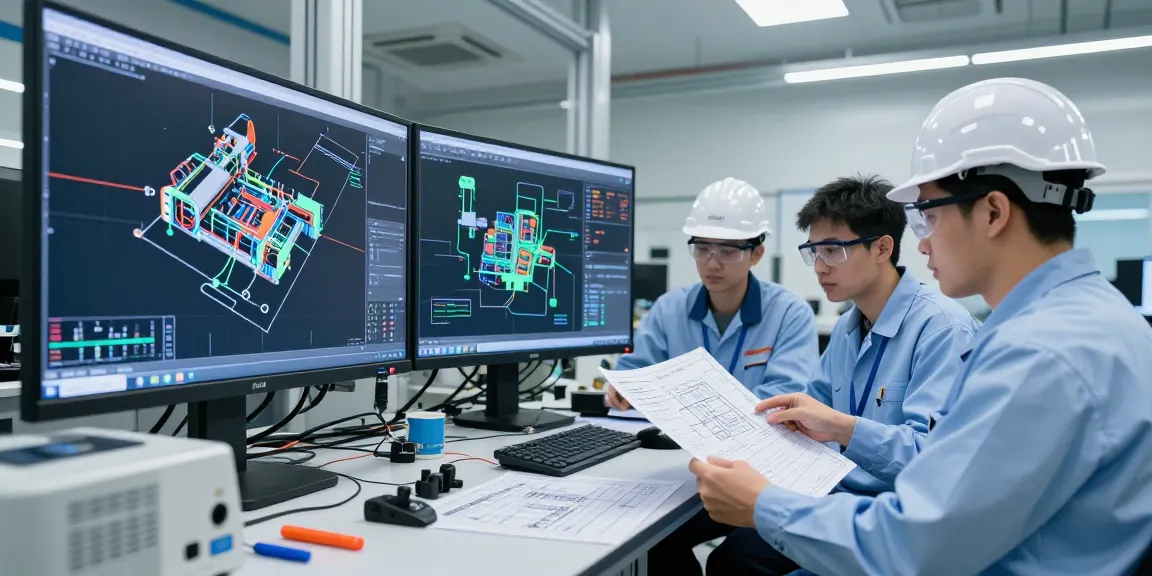
Vepraskas is known for implementing innovative project management techniques that leverage modern technologies for enhanced efficiency. This includes the incorporation of Building Information Modeling (BIM) systems to create accurate simulations of projects before they are constructed. This proactive strategy not only identifies potential issues ahead of time but also facilitates better collaboration among team members, resulting in smoother project execution.
Vision for the Future of Mechanical Engineering
Looking ahead, David Vepraskas envisions a future where mechanical engineering adapts quickly to emerging technologies such as artificial intelligence and automation. His strategic outlook emphasizes the need for engineers to be adaptable learners, equipped to handle the challenges and opportunities of a rapidly evolving industry landscape. This vision aligns with the sustainable practices that are gaining traction, where efficiency and environmental stewardship are increasingly prioritized.
Strategies for Successful Project Implementation
Successfully implementing complex infrastructure projects requires a multifaceted approach that incorporates strategic planning, teamwork, and ongoing evaluation. Here are some of the best practices for achieving optimal outcomes in mechanical engineering projects.
Best Practices for Tackling Complex Infrastructure Projects
- Thorough Planning: Develop robust project timelines, budgets, and resource allocations to mitigate risks.
- Stakeholder Engagement: Involve key stakeholders throughout the project lifecycle to ensure their needs and expectations are met.
- Continuous Training: Invest in continuous education and training for all team members to keep abreast of industry standards and innovations.
How to Collaborate Effectively with Diverse Teams
Collaboration is crucial in complex projects, which often involve interdisciplinary teams. Effective communication channels, inclusive decision-making processes, and clear role definitions can enhance team performance. Utilizing collaborative platforms can also facilitate real-time updates and feedback, ensuring everyone remains aligned with project goals.
Measuring Success: Key Performance Indicators in Engineering
Establishing key performance indicators (KPIs) is vital for tracking project progress and success. Common KPIs include project timeline adherence, budget compliance, quality metrics, and client satisfaction. Regular evaluations against these KPIs enable teams to adjust strategies proactively, ensuring alignment with project objectives.
Future Trends in Mechanical Engineering and Plumbing Sectors
The mechanical engineering landscape is evolving rapidly, influenced by technological advancements and growing environmental concerns. Understanding these trends is essential for professionals who wish to remain competitive in the industry.
Emerging Technologies Shaping the Industry
Technologies such as IoT and AI are revolutionizing the way mechanical engineering projects are conceived and executed. For instance, IoT devices can provide real-time data on system performance, allowing engineers to make data-driven decisions that enhance efficiency and reliability. Additionally, AI can aid in predictive maintenance, reducing downtime and associated costs.
Predictions for Healthcare and Industrial Engineering by 2026
By 2026, we can expect a significant shift towards more sustainable practices in both healthcare and industrial engineering. The focus will likely be on developing energy-efficient systems that minimize environmental impact while maintaining performance standards. Moreover, advancements in smart technologies are expected to lead to more automated systems, enhancing operational efficiency.
Sustainable Practices and Their Importance
Sustainability is no longer an option but a necessity in modern engineering. Implementing energy-efficient systems, using sustainable materials, and reducing waste are practices that not only meet regulatory requirements but also appeal to environmentally conscious consumers. Engineers must prioritize sustainable methods in their designs to contribute positively to the world.
Frequently Asked Questions
What are the most common challenges in mission-critical engineering projects?
Common challenges include ensuring system reliability, managing project timelines, and navigating regulatory requirements while integrating new technologies.
How does David Vepraskas influence engineering strategies?
David Vepraskas influences engineering strategies through his innovative project management approaches and commitment to excellence in mechanical engineering practices.
What makes Batchelor & Kimball, Inc stand out in the industry?
Batchelor & Kimball, Inc is recognized for its specialized focus on complex infrastructure projects in critical sectors, backed by experienced leadership and a robust engineering team.
How can new engineers prepare for complex project environments?
New engineers should seek continuous education, embrace innovation, and develop strong collaboration and problem-solving skills to thrive in complex project settings.
What are the benefits of innovative technologies in engineering?
Innovative technologies enhance efficiency, reduce costs, improve safety, and allow for better project outcomes through data-driven decision making and advanced simulations.